4 min read · Ralph Simeone, All In Roofing
How Long Does a Roof Last in New Jersey?
Two identical roofs can age very differently. Here's what actually decides how long yours lasts, from shore winds to attic ventilation.
It's one of the most common questions homeowners ask, usually right after they notice a stain on the ceiling or start thinking about selling. The short answer: it depends. The useful answer is understanding what it depends on, because many of those factors are within your control.
The general range
Most homes in our area have asphalt shingle roofs. InterNACHI, the International Association of Certified Home Inspectors, publishes a widely referenced life expectancy chart that lists about 30 years for architectural asphalt shingles and about 20 years for 3-tab asphalt shingles. (Source: InterNACHI)
Treat those as typical figures, not promises. The same chart notes that the life of a roof depends on local weather conditions, building and design, material quality and adequate maintenance. In the real world, some roofs fall well short of the average and some outlast it.
What shortens or extends a roof's life in New Jersey
Shingle type
Architectural (dimensional) shingles like GAF Timberline HDZ are thicker and multi-layered compared with older flat 3-tab shingles. If your current roof is 3-tab, it may be on a shorter clock than a newer architectural roof down the street.
Wind and storms
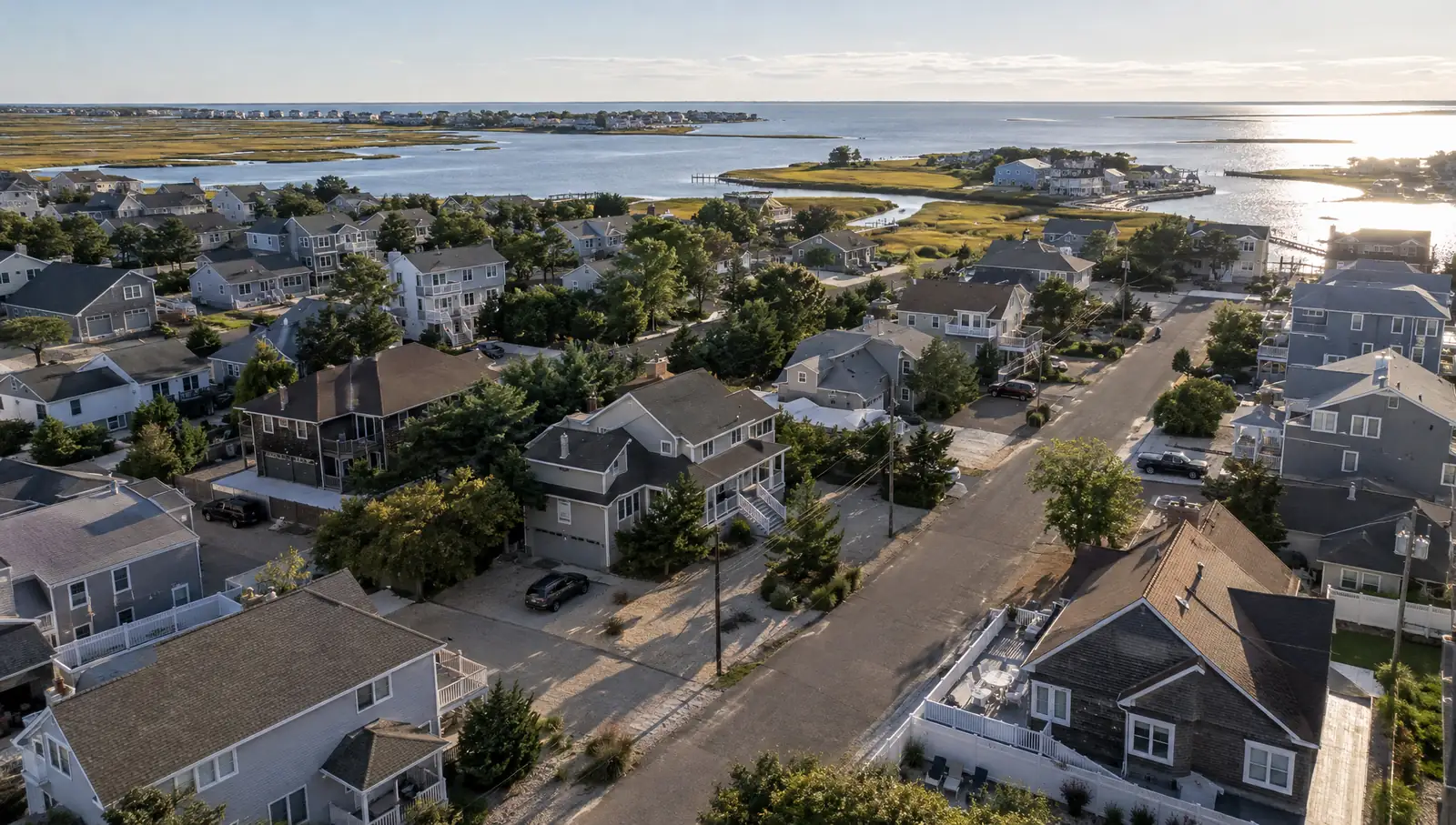
Nor'easters and strong coastal winds lift shingle edges, break seal strips and drive rain sideways under flashing. Homes in shore towns and open, exposed areas take more of a beating than homes sheltered by trees and neighboring houses. Each storm may not cause visible damage, but the wear adds up.
Salt air near the shore
Salt in the air near the ocean and bays can be hard on metal components: flashing, drip edge, fasteners, vents and gutters. When those details corrode, the roof can start to leak even if the shingles look fine. Corrosion-resistant materials and careful detailing matter more the closer you live to the water.
Sun exposure
UV breaks down asphalt over time, which is why the south- and west-facing slopes of a roof often wear out first. Granules protect the asphalt from the sun, so once granule loss becomes noticeable, aging tends to speed up.
Freeze-thaw cycles and ice dams
New Jersey winters bounce around freezing, which means water gets into small gaps, freezes, expands and thaws again. Ice dams push water under shingles at the eaves. A roof that sees repeated ice dams will age faster at its edges.
Attic ventilation
This is one of the most overlooked factors. A poorly ventilated attic gets very hot in summer, which can bake shingles from below, and traps moisture in winter, which can lead to condensation and rot in the roof deck. Balanced intake and exhaust ventilation is one of the best things you can do for a roof's lifespan.
Installation quality
Even the best shingle can fail early if it's installed poorly. Correct nailing, proper starter strips, ice and water protection at the eaves and valleys, well-installed flashing and following the manufacturer's installation instructions all play a role. Installation matters at least as much as the product.
Trees and debris
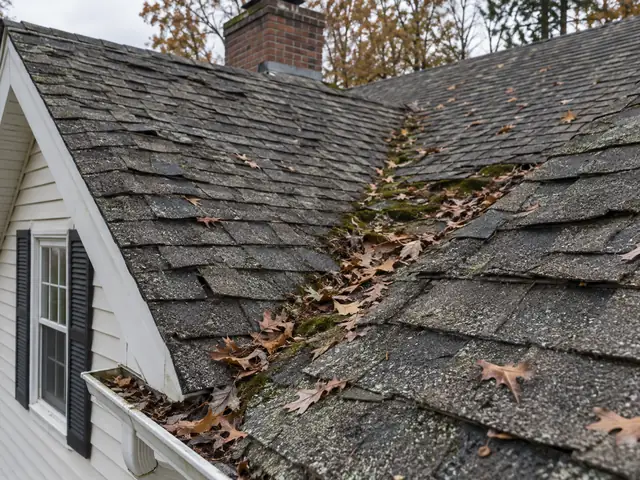
Overhanging branches scrape shingles, drop debris that holds moisture, and shade the roof so moss and algae can take hold. Clogged gutters let water back up under the roof edge.
Maintenance
Roofs aren't maintenance-free. Catching a lifted shingle, a cracked pipe boot or loose flashing early keeps a small issue from becoming water damage in the deck.
How to help your roof last longer
- Look over your roof from the ground each spring and fall, and after major storms.
- Keep gutters and downspouts clear, especially in late fall.
- Trim branches back from the roof.
- Check your attic for leaks, damp insulation or frost.
- Make sure soffit vents aren't blocked by insulation.
- Fix small problems promptly, especially around chimneys, vents and skylights.
- When it's time to replace, choose quality materials and an experienced installer.
Don't forget the rest of the system
A roof isn't just shingles. Underlayment, flashing, vents and gutters work together. The same InterNACHI chart lists aluminum gutters, downspouts, soffit and fascia at about 20 to 40+ years, so it's worth thinking about whether gutters should be replaced at the same time as the roof. (Source: InterNACHI)
How do you know where your roof stands?
If you don't know the age of your roof, or you're seeing signs of wear, an inspection is the fastest way to find out how much life it has left. All In Roofing installs GAF shingles and backs our work with a 10-year warranty. Request a free estimate and we'll give you an honest read on your roof, whether that means a few repairs or planning ahead for replacement.