4 min read · Ralph Simeone, All In Roofing
GAF Timberline HDZ Colors: How to Choose a Shingle Color for Your NJ Home
Your roof is a big share of what people see from the street. Here's how to choose among the 14 GAF Timberline HDZ colors with confidence.
A new roof is one of the largest visible surfaces on your home, so the color you choose will shape your curb appeal for a long time. It's also a decision people tend to overthink in the showroom and then second-guess on the driveway. This guide walks through every color in the GAF Timberline HDZ line and a simple process for choosing with confidence.
At All In Roofing, we install GAF shingles exclusively, so these are the colors our customers choose from every day.
Start with what's not changing
The best roof color works with the parts of your home you're keeping: siding, brick or stone, trim, shutters and the front door. Before you look at a single swatch, take note of:
- Your siding's undertone. Is it warm (cream, tan, yellow, red brick) or cool (gray, blue, white, charcoal)?
- Any masonry. Brick and stone have multiple tones in them, and a roof that picks up one of those tones usually looks intentional.
- The neighborhood. You don't need to match your neighbors, but some communities have HOA guidelines worth checking first.
The 14 Timberline HDZ colors
Timberline HDZ is an architectural (dimensional) shingle, so every color is a blend of tones with shadow lines that add depth. The descriptions below are general impressions. Always look at a full-size sample or a real installed roof before you decide.
Cool grays and charcoals
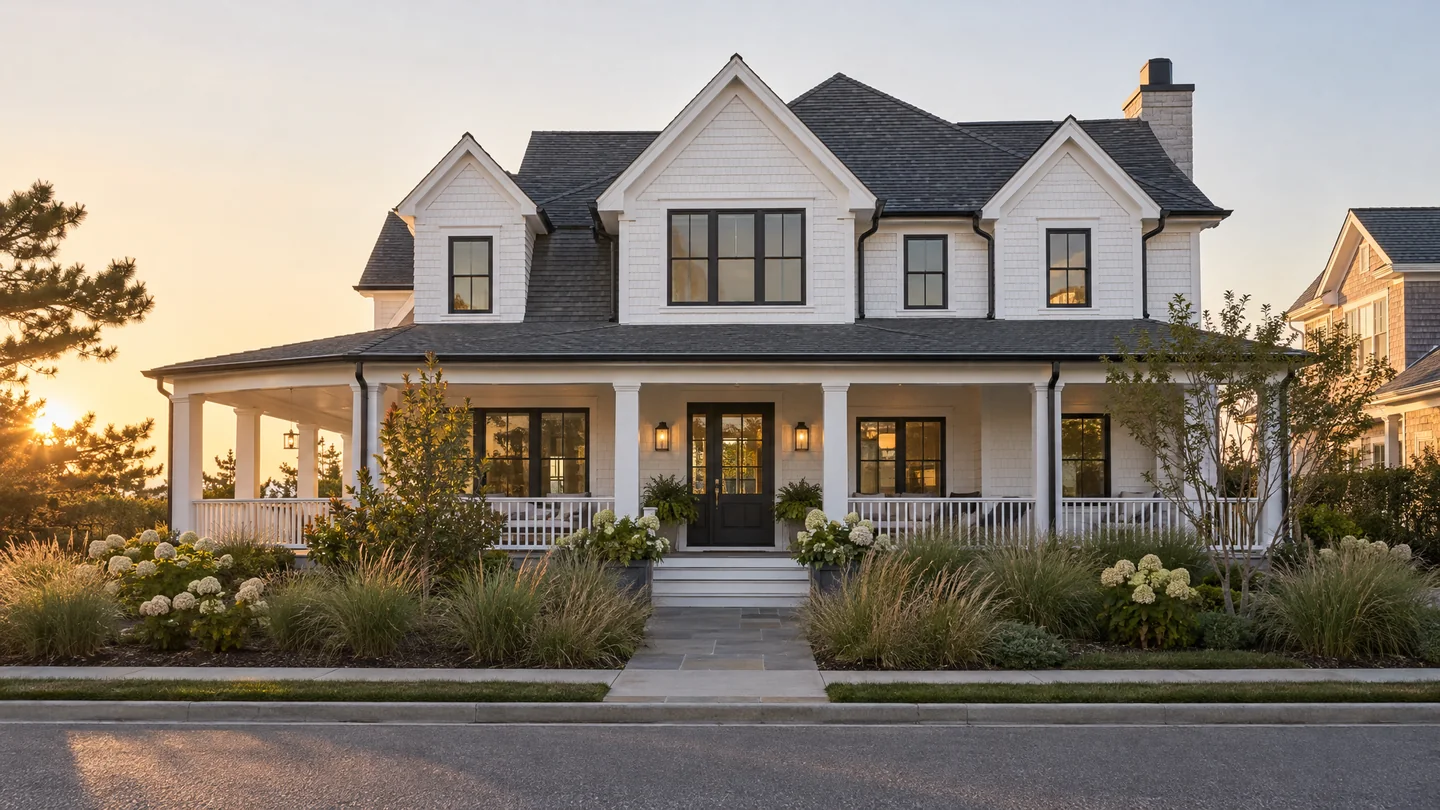
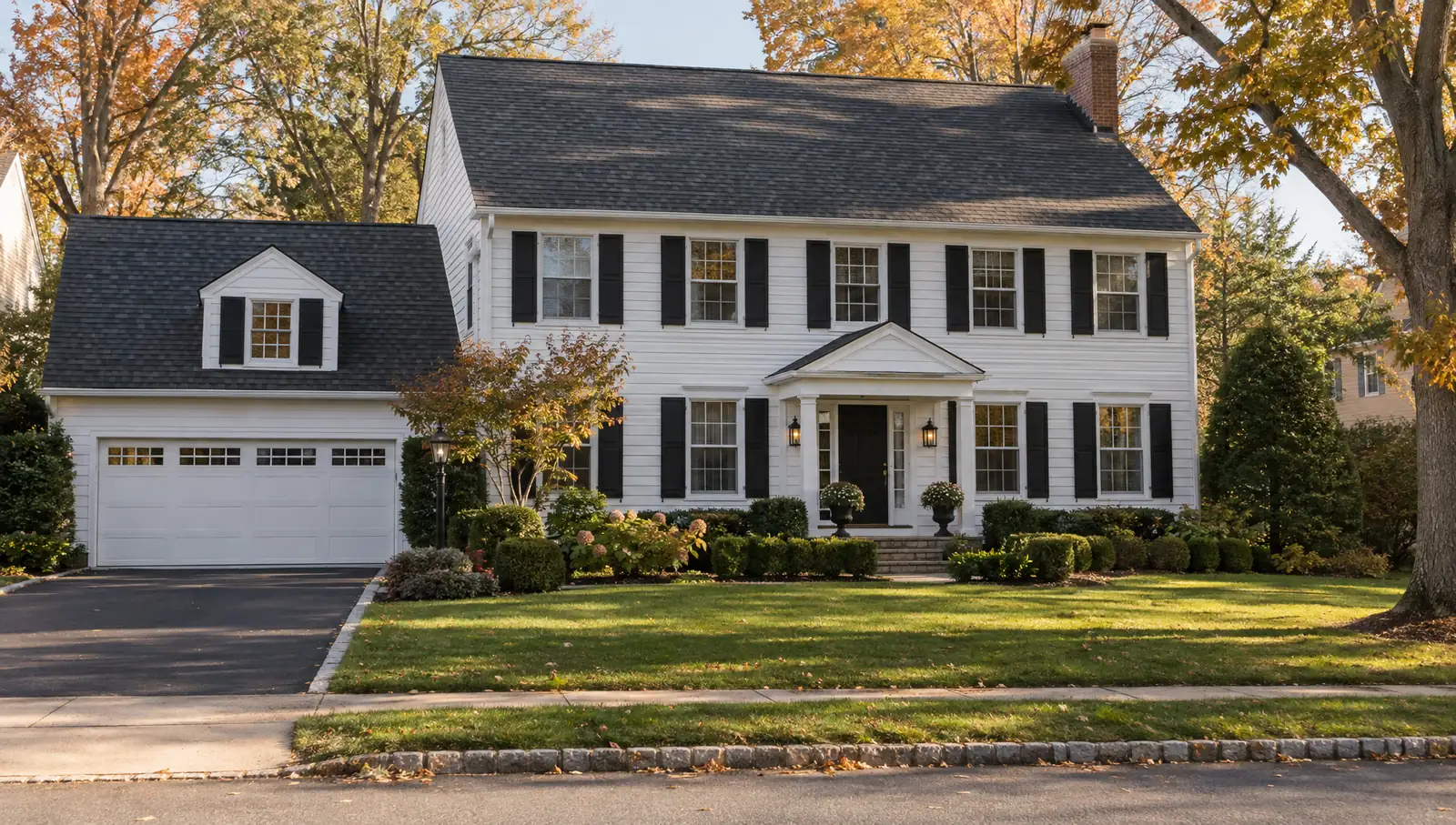
Charcoal is a deep, dark gray and one of the most versatile choices out there. It grounds white, gray and blue homes and gives a crisp, classic look to colonials and modern farmhouses alike.
Pewter Gray is a medium-to-dark gray with a soft, refined feel. It works well with gray, white and light blue siding when you want something a touch lighter than charcoal.
Oyster Gray reads lighter and softer, often with a subtle warm hint. It suits light siding and coastal-style homes where a dark roof would feel heavy.
Fox Hollow Gray is a gray blend with a bit more variation and warmth in it, a nice bridge for homes that mix cool siding with warmer trim or stone.
Slate leans toward a blue-gray look reminiscent of natural slate, a good fit for traditional homes with white or gray siding.
Williamsburg Slate is another slate-inspired blend, often with more variation, giving a classic, historic feel to colonial and traditional architecture.
Warm browns and earth tones
Weathered Wood is a blend of grays and browns, one of the most popular "go with almost anything" colors. It's forgiving with both warm and cool siding and suits a huge range of styles.
Barkwood is a rich, warm brown blend that pairs naturally with tan, beige and cream siding, and with red or multi-tone brick.
Hickory is a warm brown with golden notes, a good match for homes with earthy siding, natural wood accents or stone.
Mission Brown is a deep, dark brown that works nicely with light warm siding and brick, giving a strong, grounded look.
Shakewood is a lighter, warmer brown blend that brings to mind cedar shake, a natural fit for cottage, Cape Cod and rustic styles.
Statement colors
Hunter Green is a deep green that pairs beautifully with white, cream or tan siding, and can look especially at home among mature trees.
Biscayne Blue is a blue blend that can look sharp on white or gray homes, especially near the shore, when you want a roof with personality.
Patriot Red is a red blend for homes where the roof is meant to be a feature, often paired with white or neutral siding.
Pairing cheat sheet
- White or light gray siding: Charcoal, Pewter Gray, Slate, Williamsburg Slate, Biscayne Blue
- Navy or dark blue siding: Charcoal, Pewter Gray, Weathered Wood
- Beige, tan or cream siding: Barkwood, Hickory, Mission Brown, Weathered Wood, Hunter Green
- Red or multi-tone brick: Barkwood, Weathered Wood, Charcoal, Mission Brown
- Natural wood or cedar accents: Shakewood, Hickory, Weathered Wood
Tips that save you from second-guessing
Look outside, not under showroom lights
Colors look different in daylight, at a distance and at an angle. Hold a sample against your siding outdoors, in the morning and the afternoon.
Drive by real roofs
A small sample can't show how a blend looks across a whole roof. Seeing an installed roof in the color you're considering is the single best test. Ask your contractor for addresses.
Think about heat
Darker roofs generally absorb more heat from the sun than lighter ones. Good attic ventilation and insulation matter more than color for comfort, but it's worth keeping in mind for homes with hot upstairs rooms.
Consider your home's size and style
Dark colors tend to make a roof feel visually smaller and more grounded; lighter blends can make a large roof feel less imposing. Traditional homes often suit grays, slates and browns, while statement colors work best when the rest of the palette is simple.
Need a second opinion?
We're happy to bring GAF samples to your home and help you compare them against your siding in real light. Request a free estimate and we'll talk colors, style and what will look best on your house for years to come.