4 min read · Ralph Simeone, All In Roofing
Preparing Your Roof for a New Jersey Winter: Ice Dams, Gutters and Attic Ventilation
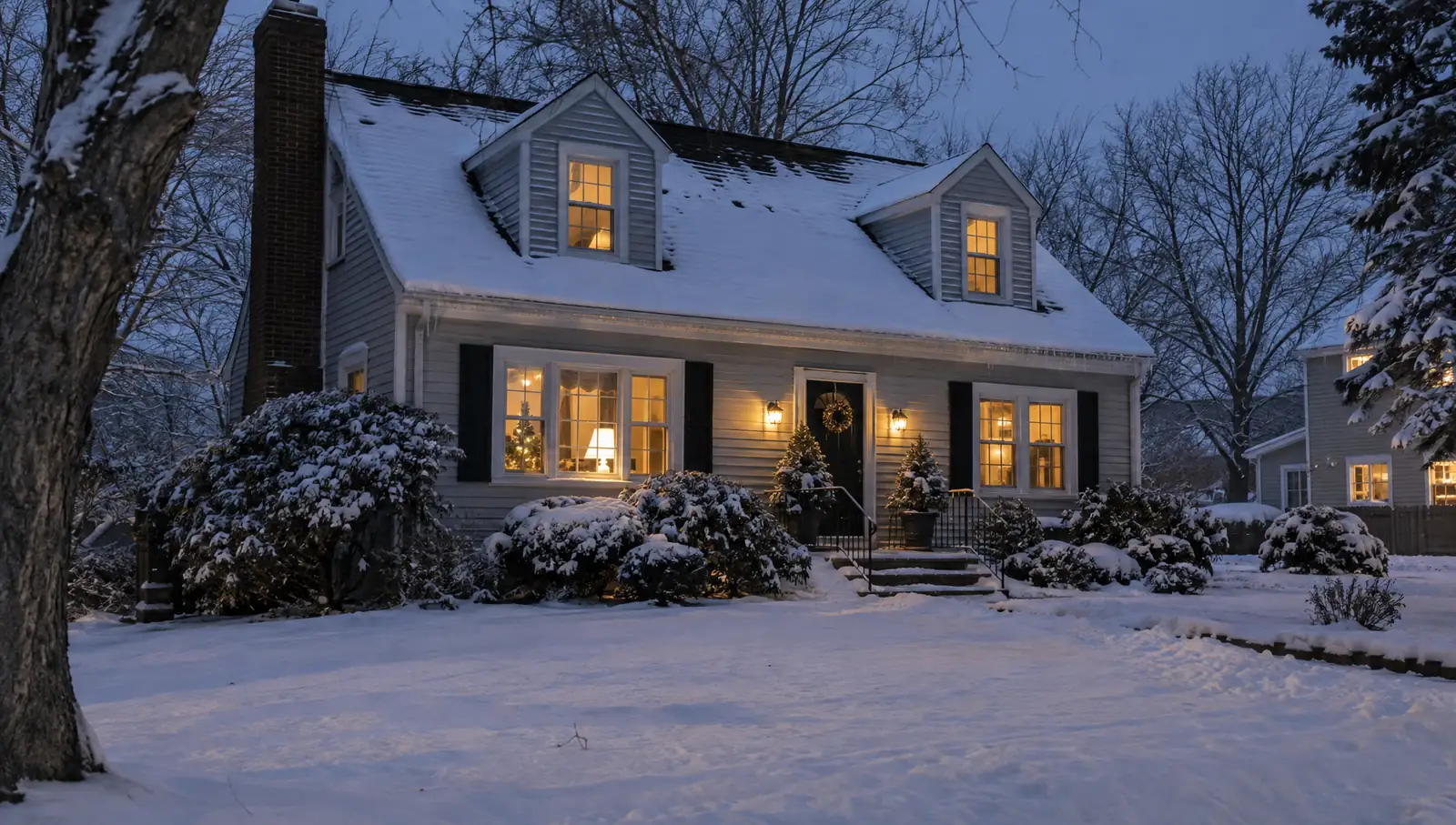
Freeze-thaw cycles, heavy snow and nor'easters test every roof in New Jersey. A little preparation in the fall goes a long way.
New Jersey winters are hard on roofs in a particular way. We don't just get cold; we get cycles. Snow falls, the sun comes out, it melts, it refreezes overnight, and it happens again. Add a nor'easter or two with heavy wet snow and strong wind, and every weak spot on a roof gets tested.
The good news is that most winter roof problems are preventable with a bit of preparation in the fall. Here's what matters most.
Understanding ice dams
An ice dam is a ridge of ice that forms along the edge of a roof and blocks melting snow from draining off. The water backs up behind it, works its way under the shingles and can leak into your walls, ceilings and insulation.
How they form
Ice dams start in the attic. When warm air from the living space leaks into the attic, it warms the roof deck. Snow on the upper part of the roof melts, the water runs down to the eaves, which sit over the cold overhang, and freezes again. Day after day, the ice builds up into a dam.
That's why icicles and ice dams are usually a sign of heat loss, not just cold weather. A roof that stays evenly cold from ridge to eave tends not to form them.
How to prevent them
- Seal air leaks into the attic. Gaps around attic hatches, recessed lights, plumbing stacks, chimneys and wiring holes let warm, moist air into the attic.
- Insulate the attic floor properly. Good insulation keeps the heat in your living space where it belongs.
- Ventilate the attic. Balanced intake vents at the soffits and exhaust vents at or near the ridge keep the roof deck cold and carry moisture out.
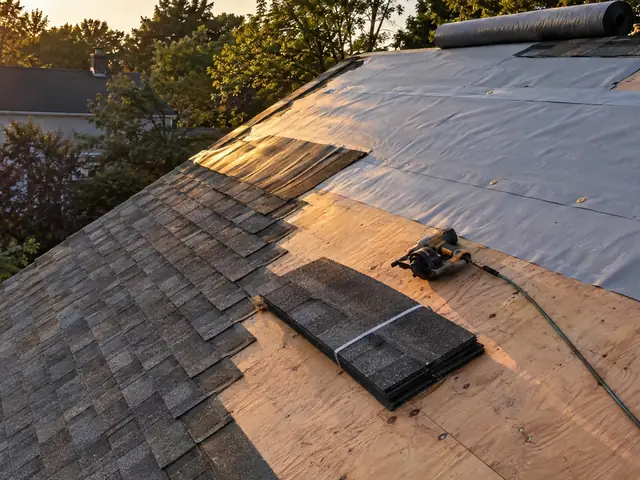
- Use ice and water protection. When a roof is replaced, a self-adhering waterproof underlayment is typically installed along the eaves and in valleys as a backup layer where ice dams and water flow are most likely. Local code often requires it.
Gutters: clear them before the first freeze
In our area, leaves keep coming down well into late fall. Clogged gutters hold water and debris that freezes solid, adding weight, pulling gutters away from the fascia and giving ice dams a head start.
Your fall gutter checklist
- Clean gutters after most of the leaves have fallen, not just once in early fall.
- Flush downspouts and make sure water exits away from the foundation.
- Check that gutters are firmly attached and slope toward the downspouts.
- Look for leaking seams, rust spots or sagging sections.
- Consider gutter guards if you have a lot of trees nearby.
Attic ventilation: the quiet hero
Ventilation isn't just a summer issue. In winter, a poorly ventilated attic traps the warm, moist air that rises from your living space. That moisture can condense on the cold underside of the roof deck, leading to frost, damp insulation, mold and wood rot. It also feeds ice dams.
Signs your attic ventilation may need attention:
- Frost or water droplets on nails and the underside of the roof deck on cold mornings
- Damp or compressed insulation
- Musty smells or visible mold
- Uneven snow melt on the roof, with bare patches while the neighbors' roofs are still white
- Large icicles forming regularly along the eaves
Insulation stuffed into soffit vents is a common culprit. Baffles can keep insulation clear of the vents and let air flow from the soffit up along the underside of the roof.
A pre-winter roof walk-around
From the ground, with binoculars if needed, look for:
- Missing, lifted or cracked shingles from summer and fall storms
- Loose or damaged flashing around chimneys, skylights and vent pipes
- Overhanging tree limbs that could break under snow or ice
- Damaged pipe boots, which are a common source of leaks
Small issues are quick to fix in the fall and much harder to address once the roof is covered in snow and ice.
During the winter
Snow removal: be careful
Most homes handle normal snow loads without trouble. If heavy snow piles up, a roof rake used from the ground can pull snow off the lower few feet of the roof and reduce ice dam risk. Avoid climbing onto an icy roof, and never chip at ice with a hammer or shovel; it damages shingles quickly.
Watch for warning signs inside
Water stains on ceilings near exterior walls, damp spots around window tops and drips in the attic during a thaw are all signs that water is getting past an ice dam. Address them quickly before the damage spreads.
Get your roof winter-ready
If you'd like a professional set of eyes before the snow flies, All In Roofing can inspect your roof, flashing, gutters and attic ventilation and fix what needs fixing. And if winter catches you with a leak, we offer 24/7 emergency service. Request a free estimate or call or text 732-584-0700.